watch our story
Watch How Stalmac Cranes is
Transforming Material Handling Industries

“Delivering Precision Lifting Solutions with Strength, Efficiency, and Reliability Since 2011.”
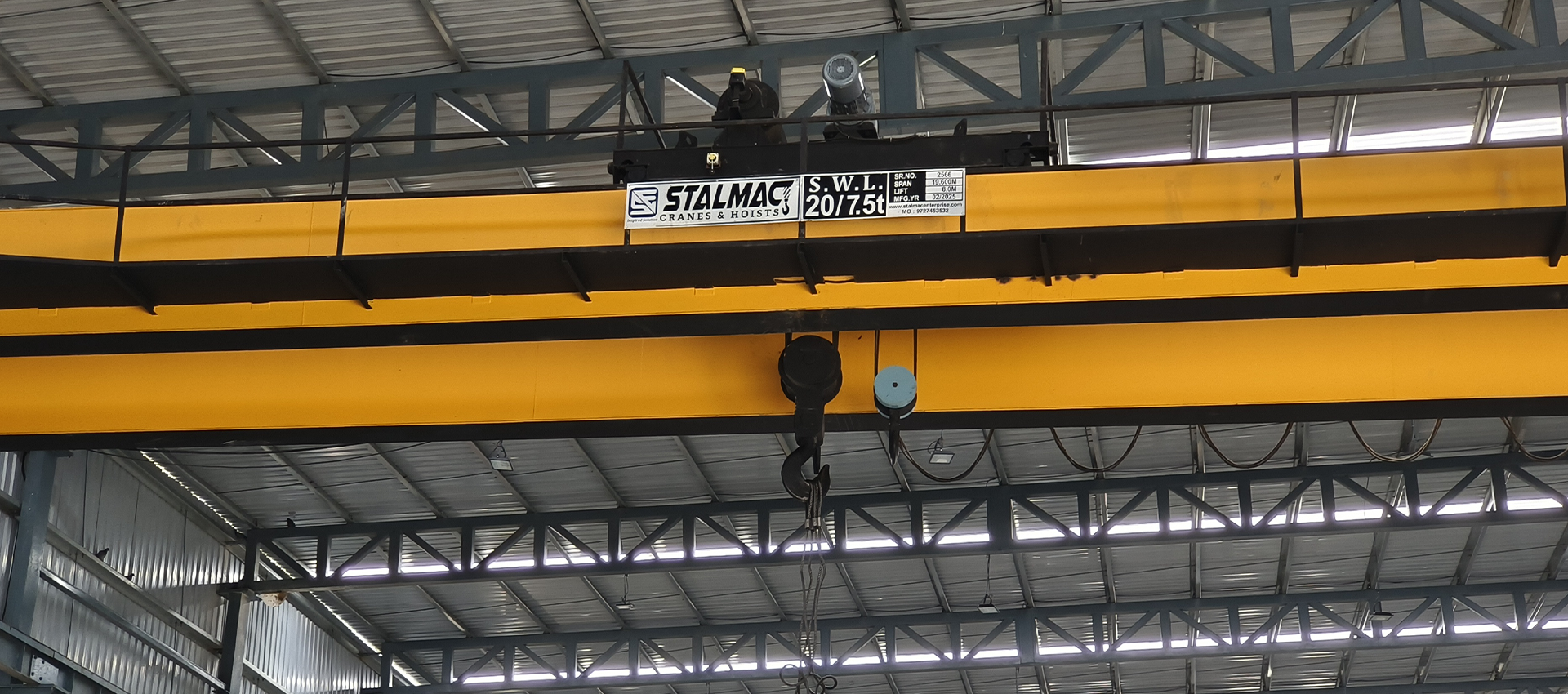
Stalmac Cranes is a trusted name in the material handling industry, offering premium-quality EOT cranes and advanced lifting solutions across India and global markets. We specialize in the design, manufacturing, supply, and export of a comprehensive range of industrial equipment, including EOT Cranes, Hoists, Goods Lifts, Pre-Engineered Buildings (PEB), and customized material handling systems.
Established in 2011, our company has consistently focused on engineering excellence, innovation, and strict quality standards to deliver high-performance, durable, and reliable crane solutions. Every product is designed to enhance operational efficiency, ensure safety, and meet the evolving demands of modern industries.
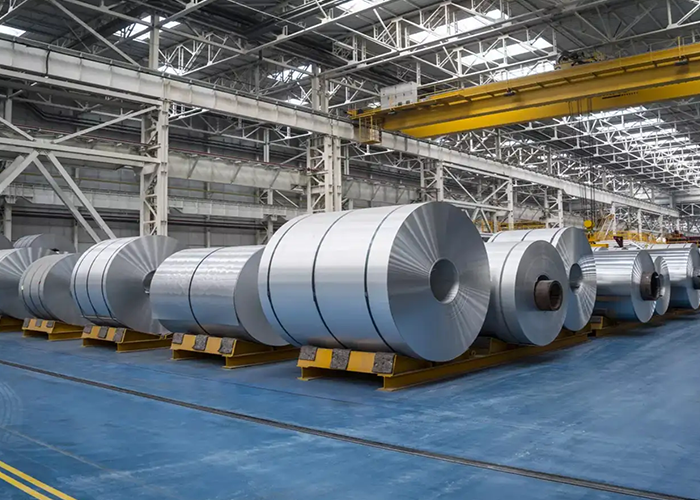
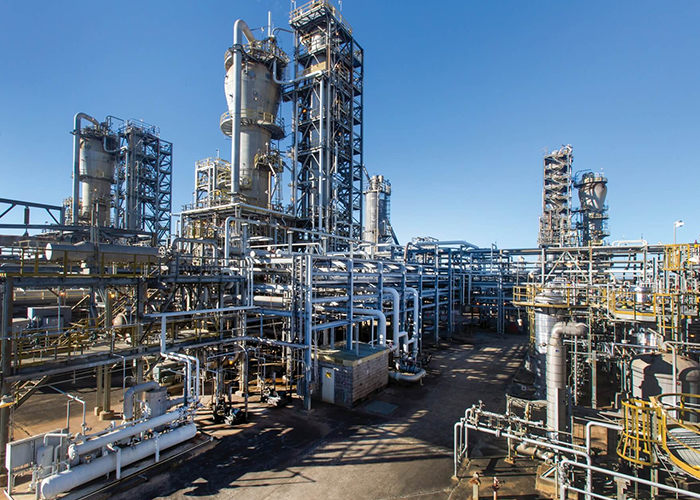
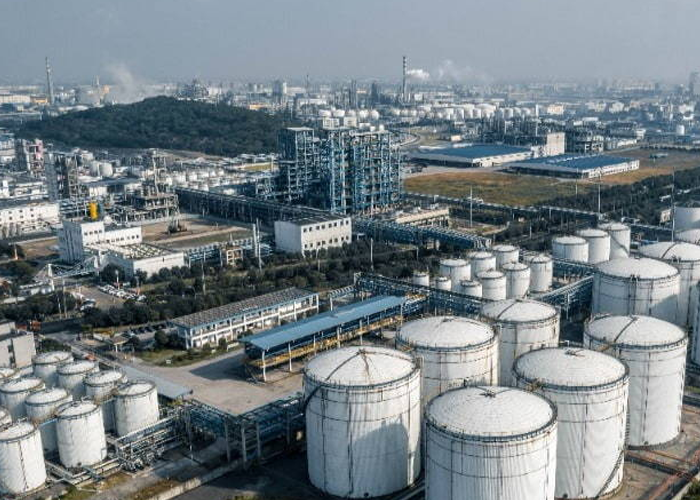
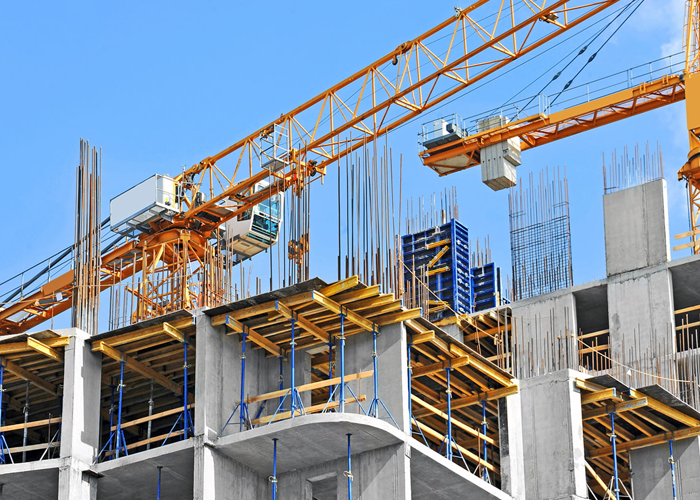
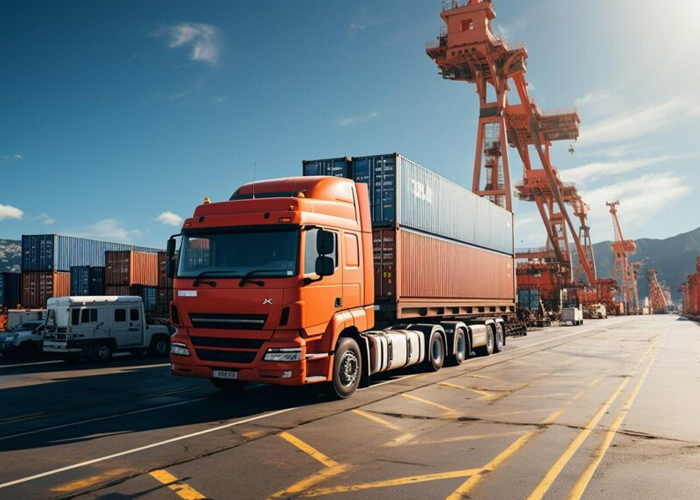
Stalmac Cranes serves a wide range of industries such as steel plants, ceramic manufacturing, fertilizer units, foundries, textile mills, chemical industries, assembly lines, shipbuilding, power plants, plastics, dairy processing, paper and packaging, cement industries, petrochemicals, construction, and transportation sectors.
With a strong commitment to customer satisfaction, cutting-edge technology, and continuous improvement, we have built long-lasting relationships with leading corporate clients and reputed industrial organizations across India. Our goal is to provide cost-effective, efficient, and customized lifting solutions that drive productivity and industrial growth.


Year of Establishment
+
Projects Completed
%
Client Satisfaction Rate
+
Export Country


Advanced engineering and precision manufacturing for reliable lifting systems.

Bespoke crane and material handling solutions based on site and application needs.

Safe installation, commissioning, and system integration by expert teams.

Preventive maintenance, breakdown support, and genuine spare solutions.






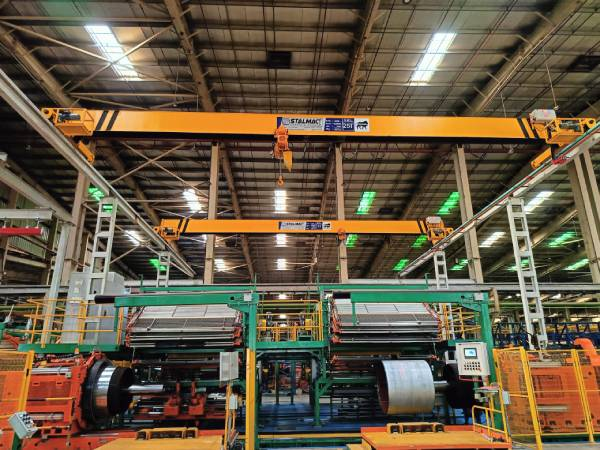
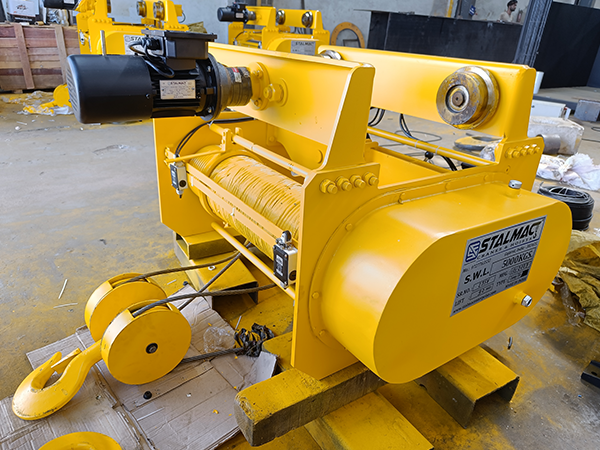
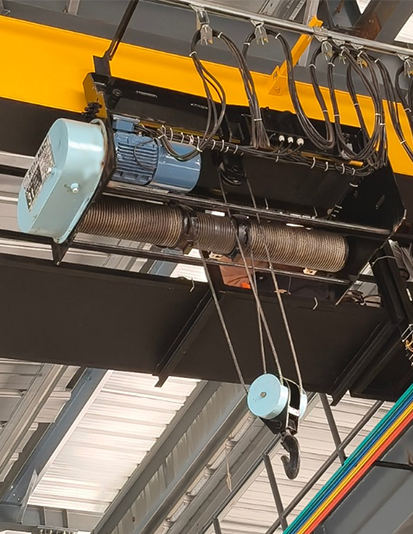
The full form of EOT crane is Electric Overhead Traveling crane. As a leading EOT cranes Manufacturer, EOT cranes Supplier, and EOT cranes Exporter, we define it as an advanced lifting system designed to move heavy materials within a fixed industrial area using electrically powered motion. These cranes travel on overhead rails and enable both vertical lifting and horizontal movement. A reliable EOT cranes Manufacturer, EOT cranes Supplier, and EOT cranes Exporter ensures key components such as hoists, trolleys, bridge girders, and control systems meet industry standards. Choosing a trusted EOT cranes Manufacturer, EOT cranes Supplier, and EOT cranes Exporter improves operational efficiency while maintaining high safety standards.
An EOT (Electric Overhead Traveling) crane is widely used material handling equipment for lifting and moving heavy loads across industrial spaces. A professional EOT cranes Manufacturer, EOT cranes Supplier, and EOT cranes Exporter provides systems that operate on overhead rails installed along the facility. The crane includes a bridge, trolley, and hoist system for efficient horizontal and vertical movement. Partnering with an experienced EOT cranes Manufacturer, EOT cranes Supplier, and EOT cranes Exporter ensures safe operations in warehouses, manufacturing plants, and construction industries. A trusted EOT cranes Manufacturer, EOT cranes Supplier, and EOT cranes Exporter guarantees precision and durability.
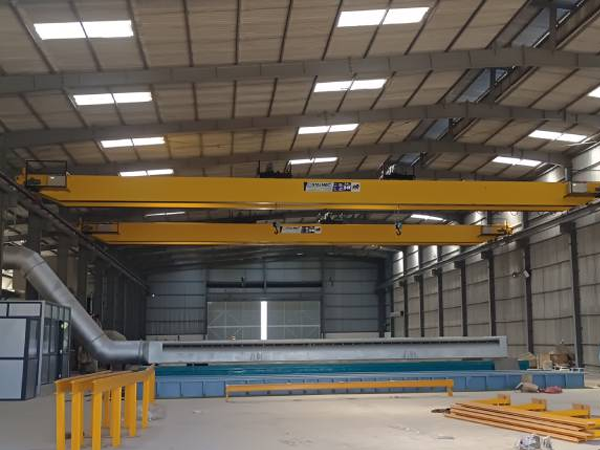
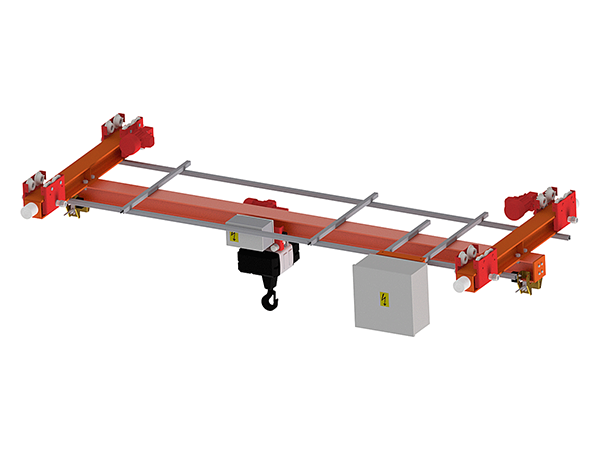
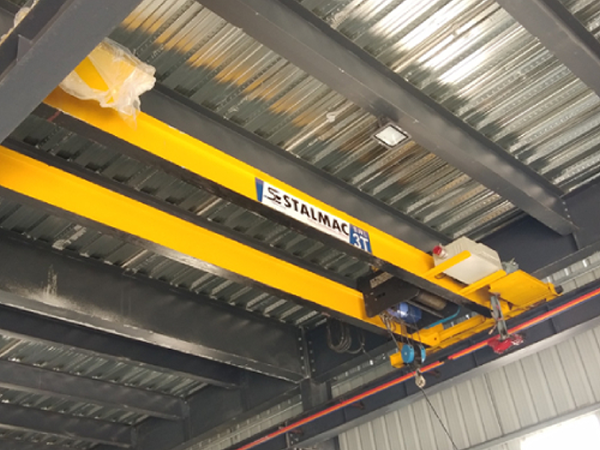
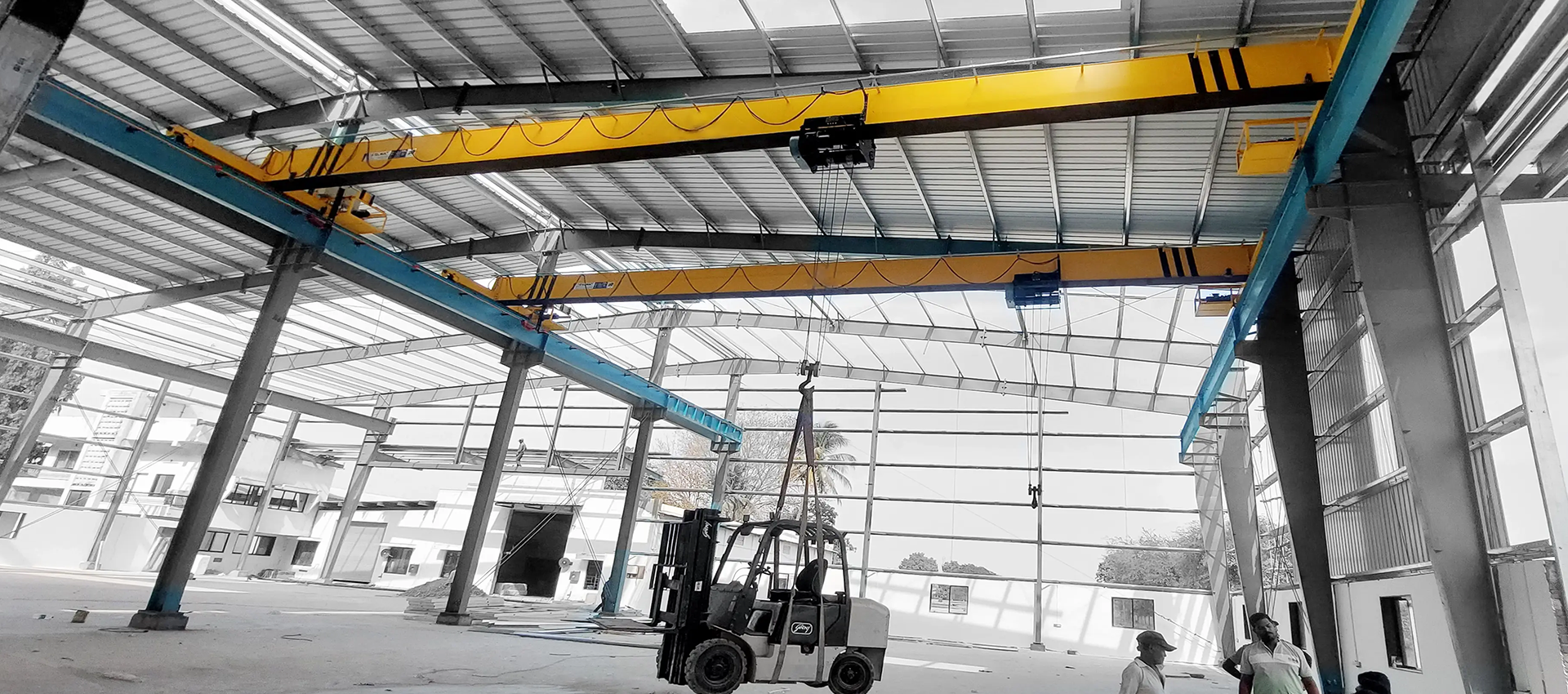
A single girder EOT crane uses one bridge beam and is ideal for light to medium-duty applications, offering cost-effectiveness and easy installation. A reputed Single Girder EOT cranes Manufacturer, Single Girder EOT cranes Supplier, and EOT cranes Exporter recommends single girder cranes for economical operations. In contrast, a double girder EOT crane uses two bridge beams for higher load capacity and lifting height. As a trusted EOT cranes Manufacturer, Single Girder EOT cranes Supplier, and EOT cranes Exporter, we provide both options for different industrial needs. Choosing the right EOT cranes Manufacturer, Single Girder EOT cranes Supplier, and EOT cranes Exporter ensures maximum efficiency and performance.
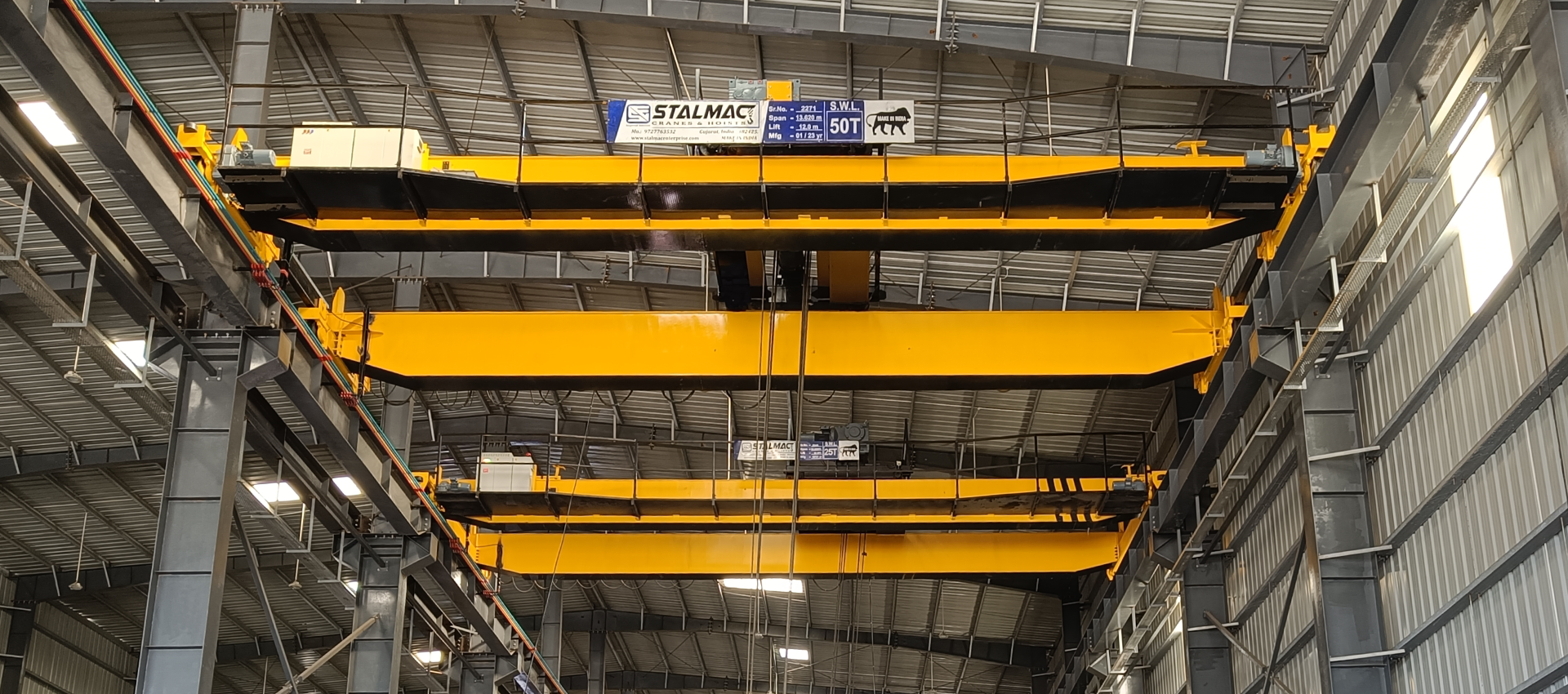
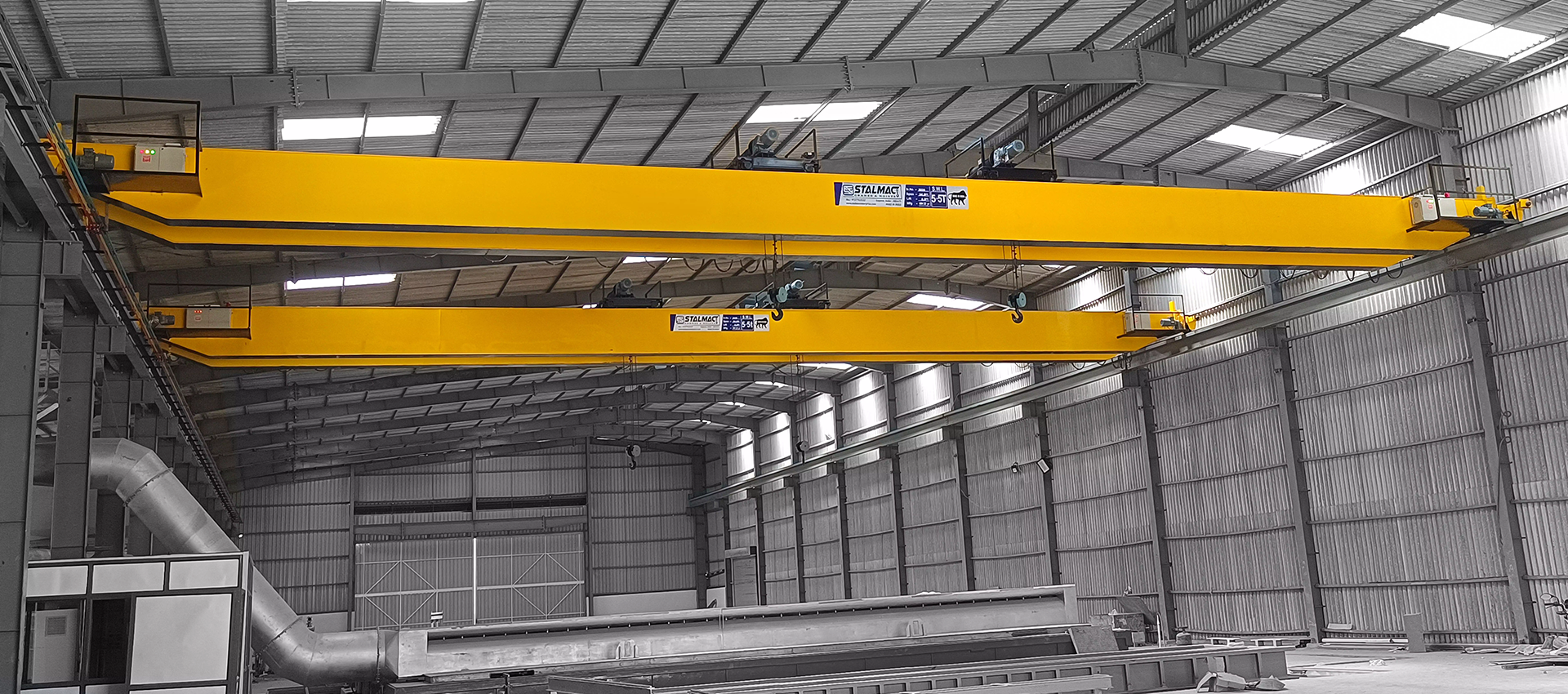
Double girder EOT cranes are commonly used in heavy industries such as steel plants, power plants, shipyards, and large manufacturing units. A leading Double Girder EOT cranes Manufacturer, Double Girder EOT cranes Supplier, and EOT cranes Exporter designs these cranes to handle extremely heavy loads with high precision. As an experienced EOT cranes Manufacturer, Double Girder EOT cranes Supplier, and Double Girder EOT cranes Exporter, we ensure robust construction and long service life. Industries prefer working with a reliable EOT cranes Manufacturer, EOT cranes Supplier, and EOT cranes Exporter for continuous and demanding operations.
Single girder EOT cranes offer advantages such as lower cost, lightweight structure, easy maintenance, and faster installation. A professional Single Girder EOT cranes Manufacturer, Single Girder EOT cranes Supplier, and Single Girder EOT cranes Exporter provides these cranes with minimal structural requirements, making them ideal for small facilities. As a trusted EOT cranes Manufacturer, EOT cranes Supplier, and EOT cranes Exporter, we ensure energy-efficient solutions suitable for moderate lifting tasks. Businesses rely on an experienced Single Girder EOT cranes Manufacturer, Single Girder EOT cranes Supplier, and Single Girder EOT cranes Exporter for cost-effective and reliable performance.
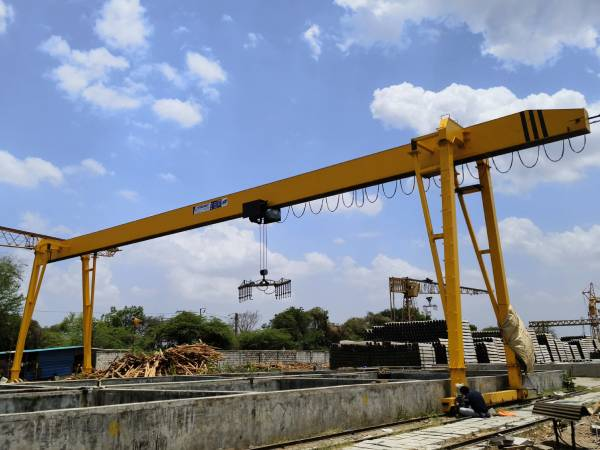
A gantry crane, also known as a Goliath crane, is a type of crane that runs on ground-mounted rails instead of overhead beams. It consists of legs that support the bridge, making it suitable for outdoor applications like shipyards, ports, and construction sites. Gantry cranes are highly versatile and can handle heavy loads without requiring building support structures. Choosing the right EOT cranes Manufacturer, EOT cranes Supplier, and EOT cranes Exporter ensures high efficiency and flexibility in heavy-duty applications.
Choosing the right crane depends on load capacity, span, lifting height, workspace, and usage frequency. A knowledgeable EOT cranes Manufacturer, EOT cranes Supplier, and EOT cranes Exporter can guide you in selecting the best crane for your requirements. For light-duty applications, single girder cranes are suitable, while heavy-duty operations require double girder cranes. As an expert EOT cranes Manufacturer, EOT cranes Supplier, and EOT cranes Exporter, we also recommend gantry cranes for outdoor use. Consulting an experienced EOT cranes Manufacturer, EOT cranes Supplier, and EOT cranes Exporter ensures optimal results.
Regular maintenance of EOT cranes and gantry cranes is essential for safety and efficiency. A professional EOT cranes Manufacturer, EOT cranes Supplier, and EOT cranes Exporter recommends inspecting wire ropes, brakes, motors, and electrical systems periodically. As a trusted EOT cranes Manufacturer, EOT cranes Supplier, and EOT cranes Exporter, we emphasize lubrication and routine load testing. Preventive maintenance advised by a reliable EOT cranes Manufacturer, EOT cranes Supplier, and EOT cranes Exporter reduces downtime, increases lifespan, and ensures compliance with safety standards.

stalmacenterprise@gmail.com
stalmaccranes@gmail.com
Phone
+91 97274 63532
+91 97277 63532